

Guiding questions
- How can different strategies for conserving and regenerating natural systems be compared?
- How do worldviews affect the choices made in protecting natural systems?

SL and HL knowledge statements
3.3.1 Arguments for species and habitat preservation can be based on aesthetic, ecological, economic, ethical and social justifications.
3.3.2 Species-based conservation tends to involve ex situ strategies, and habitat-based conservation tends to involve in situ strategies.
3.3.3 Sometimes a mixed conservation approach is adopted, where both habitat and particular species are considered.
3.3.4 The Convention on Biological Diversity (CBD) is a UN treaty addressing both species-based and habitat-based conservation.
3.3.5 Habitat conservation strategies protect species by conservation of their natural environment. This may require protection of wild areas or active management.
3.3.6 Effective conservation of biodiversity in nature reserves and national parks depends on an understanding of the biology of target species and on the effect of the size and shape of conservation areas.
3.3.7 Natural processes in ecosystems can be regenerated by rewilding.
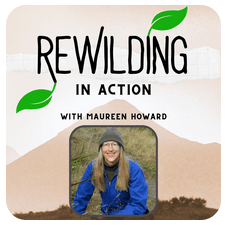
The Rewilding in Action podcast from OAR 105.4 FM in Dunedin, NZ covers many topics related to the rewilding movement.
3.3.8 Conservation and regeneration measures can be used to reverse the decline in biodiversity to ensure a safe operating space for humanity within the biodiversity planetary boundary.
3.3.9 Environmental perspectives and value systems can impact the choice of conservation strategies selected by a society.
Knowledge statements for HL only
3.3.10 Success in conserving and restoring biodiversity by international, governmental and non-governmental organizations depends on their use of media, speed of response, diplomatic constraints, financial resources and political influence.
3.3.11 Positive feedback loops that enhance biodiversity and promote ecosystem equilibrium can be triggered by rewilding and habitat restoration efforts.
3.3.12 Rewilding projects have both benefits and limitations.
3.3.13 The success of conservation or regeneration measures needs to be assessed.
3.3.14 Ecotourism can increase interdependence of local communities and increase biodiversity by generating income and providing funds for protecting areas, but there can also be negative societal and ecological impacts.
Practical activities
- Practical 3.3.5 – Compare biodiversity in protected and unprotected ecosystems
- HL Practical 3.3.12 – Evaluate a rewilding project
Possible engagement opportunities
- Investigate the role of an NGO in a conservation project.
- Visit a rewilding project or protected area and raise awareness about the project.
- Volunteer in a local conservation project, for example, the removal of an invasive species or putting up bird boxes.
- Turn these into CAS suggestions connected to the UN SDGs.
Happy learning!
 MrKremerScience.com
You must be logged in to post a comment.