
Students interested in studying environmental science often overlook Canada. I think that’s a mistake. Canadian universities blend a US-style campus experience with a degree structure that lets students specialize a bit earlier. Several Canadian universities have genuinely excellent environmental science programs. Huge natural landscapes sit right outside the classroom door, from the Pacific coast to the Rocky Mountains to the Arctic.
Here’s what I’ve learned from my research into undergraduate environmental science programs in Canada. Costs are generally lower than you’ll find at American universities.
My top pick for environmental science in Canada
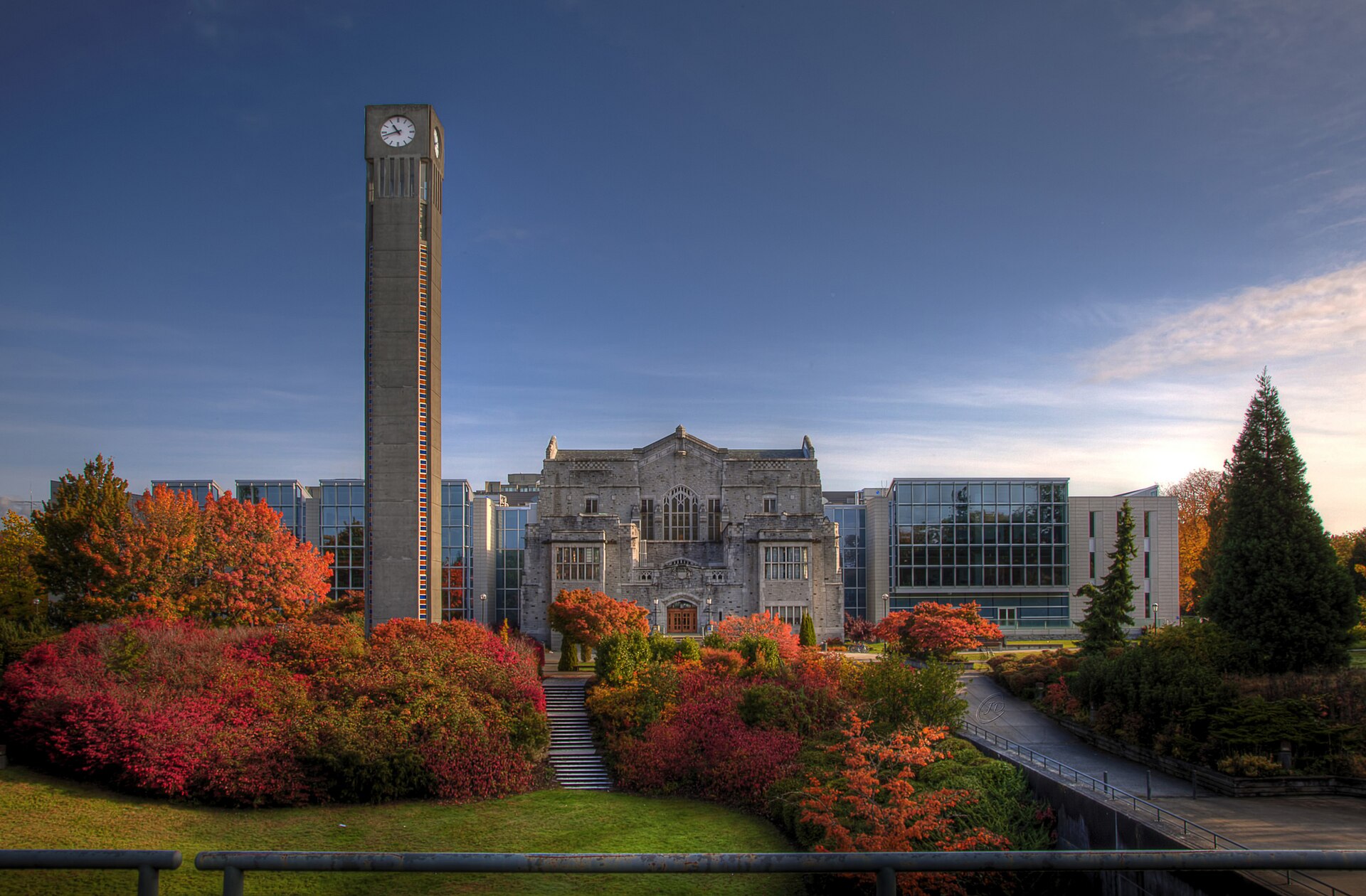
The University of British Columbia, in Vancouver, consistently comes out as Canada’s top-rated environmental science program. Its Environmental Sciences B.Sc. runs through the Faculty of Science. The location itself is part of the appeal. At UBC, you’re a short drive from mountains, ocean, and old-growth forest. Those ecosystems show up constantly in the fieldwork and research available to undergraduates.
Big research universities with strong programs
The University of Toronto offers undergraduate programs in Global Environmental Change, Natural Sciences and Environmental Management, plus several other options within UT’s School of the Environment. Toronto is one of the largest, most research-active universities in Canada. Want the resources of a huge institution, with all the course variety and research funding that comes with it? This one is worth a close look.


McGill University, in Montreal, takes a different approach. It runs several undergraduate programs through its Bieler School of Environment that combine elements of the faculties of Arts, Sciences, Agriculture, and Environmental Sciences, which is different from a program that’s folded into a general science department. A dedicated school like this often means tighter-knit faculty, more specific advising, and a stronger sense of community.


If you’re drawn to environmental engineering
The University of Waterloo is best known in Canada for engineering. That reputation carries into Waterloo’s environmental offerings, too. They offer a plethora of environmental undergraduate degrees in Climate and Environmental Change; Environment, Resources and Sustainability; Earth Sciences; Environmental Sciences; Environment and Business; and Geography and Environmental Management. Or you can go the Environmental Engineering route if you enjoy design and problem-solving more than pure research.
Not sure whether you want environmental science or environmental engineering? Here’s a simple way to think about it: Environmental science asks, “What’s happening in this ecosystem, and why?” Environmental engineering asks, “How do we design a system to fix or prevent this problem?” Both matter. Both can lead to meaningful careers. But they use pretty different day-to-day skills. One leans toward research and analysis. The other leans toward design and applied math.


Strong in earth and atmospheric sciences
University of Alberta, in Edmonton, has a strong reputation in earth and atmospheric sciences via its Environmental and Conservation Sciences BSc. Alberta’s location also puts you close to some of Canada’s most dramatic landscapes, which helps if fieldwork and outdoor research are a big part of what you’d like to do in college. Tuition is more moderate, around 35,000 to 42,000 Canadian dollars a year, less than some other schools on this list.
A note on degree length and flexibility
Canadian bachelor’s degrees usually run four years, similar to schools in the US. Most Canadian universities also expect a handful of general education courses outside your major taken during your first year or two. This is different from the UK, where you commit to one specific degree title from day one and have little to no room to explore other subjects. If you think you’d like to study environmental sciences, but you’re not 100% certain, Canada’s structure gives you room to explore in a way the UK generally does not.
Why Canada deserves more attention than it usually gets
A lot of families default straight to the US and UK, treating Canada as a backup option. Based on what I found during my research, that’s worth reconsidering. Canadian tuition, even at the pricier end, tends to run lower than equivalent US private universities. You still get serious research programs. Instruction is in English throughout. And you get direct access to some of the most varied natural environments on the planet. If cost is a real factor in your family’s decision, Canada belongs on your list from the start.
Weighing Canada against other countries? Want help figuring out which programs realistically fit your grades, your budget, and what you actually want to study? That’s exactly the kind of comparison I help families work through. Give me a call!
You must be logged in to post a comment.